
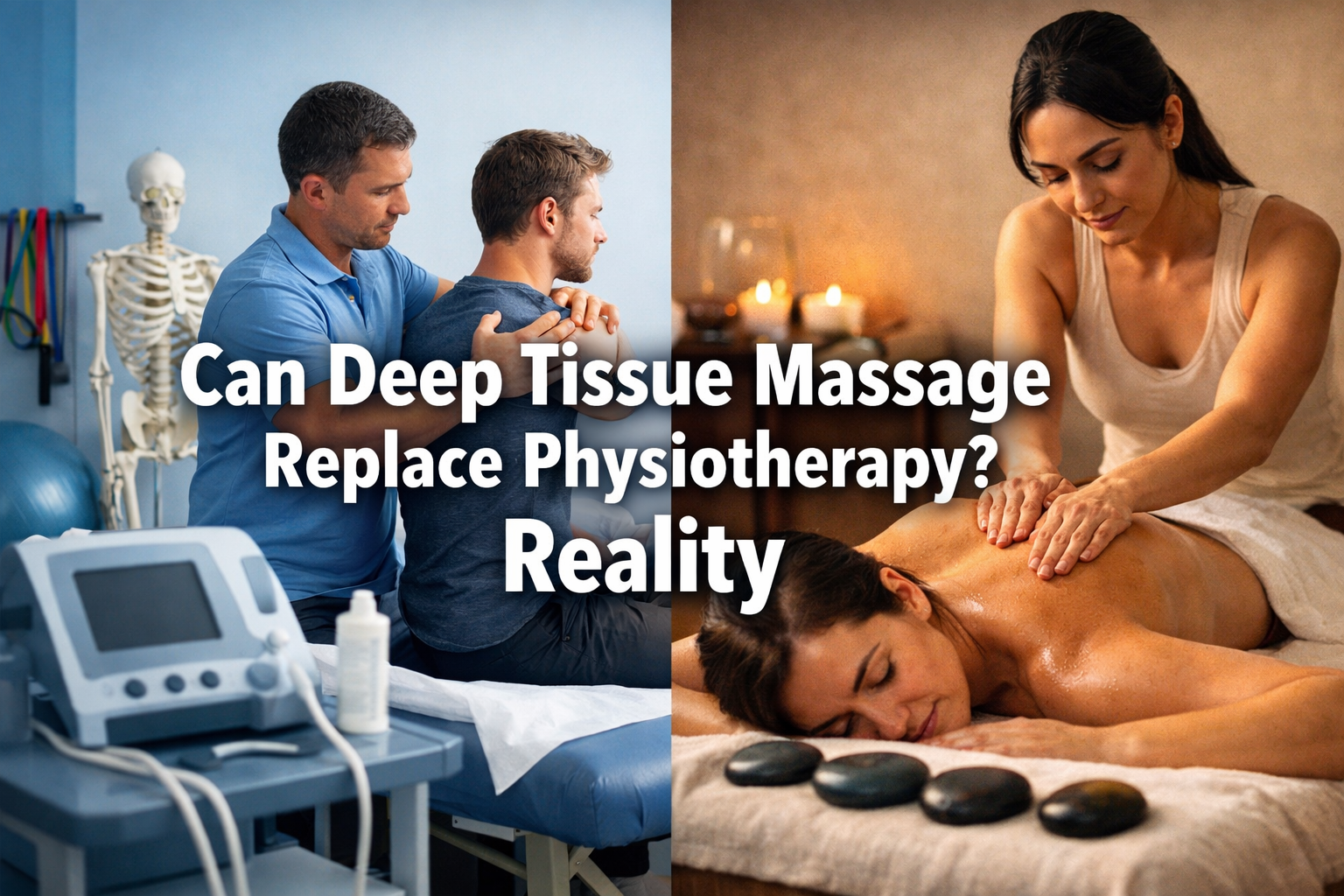
When chronic pain strikes, the quest for relief often leads to a crucial crossroads: should you book that soothing massage appointment or schedule a physiotherapy session? This question becomes particularly pressing for busy professionals in Gurgaon dealing with desk-related injuries, athletes recovering from sports trauma, or anyone seeking the most effective path to muscle rehab and lasting pain resolution.
The debate between physiotherapy vs massage isn’t just about preference—it’s about understanding which injury support therapy delivers the results your body truly needs. While both approaches offer valuable benefits, the treatment facts reveal important distinctions that could significantly impact your recovery journey.
Key Takeaways
• Physiotherapy and massage serve different primary purposes – physiotherapy focuses on functional rehabilitation and movement correction, while massage emphasizes muscle tension relief and circulation improvement
• Neither treatment completely replaces the other – they work synergistically for optimal injury support therapy and comprehensive muscle rehab
• Injury severity and type determine the best approach – acute injuries typically require physiotherapy first, while chronic tension responds well to massage therapy
• Professional assessment is crucial – qualified practitioners can guide you toward the most effective pain resolution strategy for your specific condition
• Combined treatment protocols often yield superior results – integrating both modalities creates a holistic approach to healing and long-term wellness
Understanding the Core Differences: Physiotherapy vs Massage Fundamentals
What Physiotherapy Actually Does
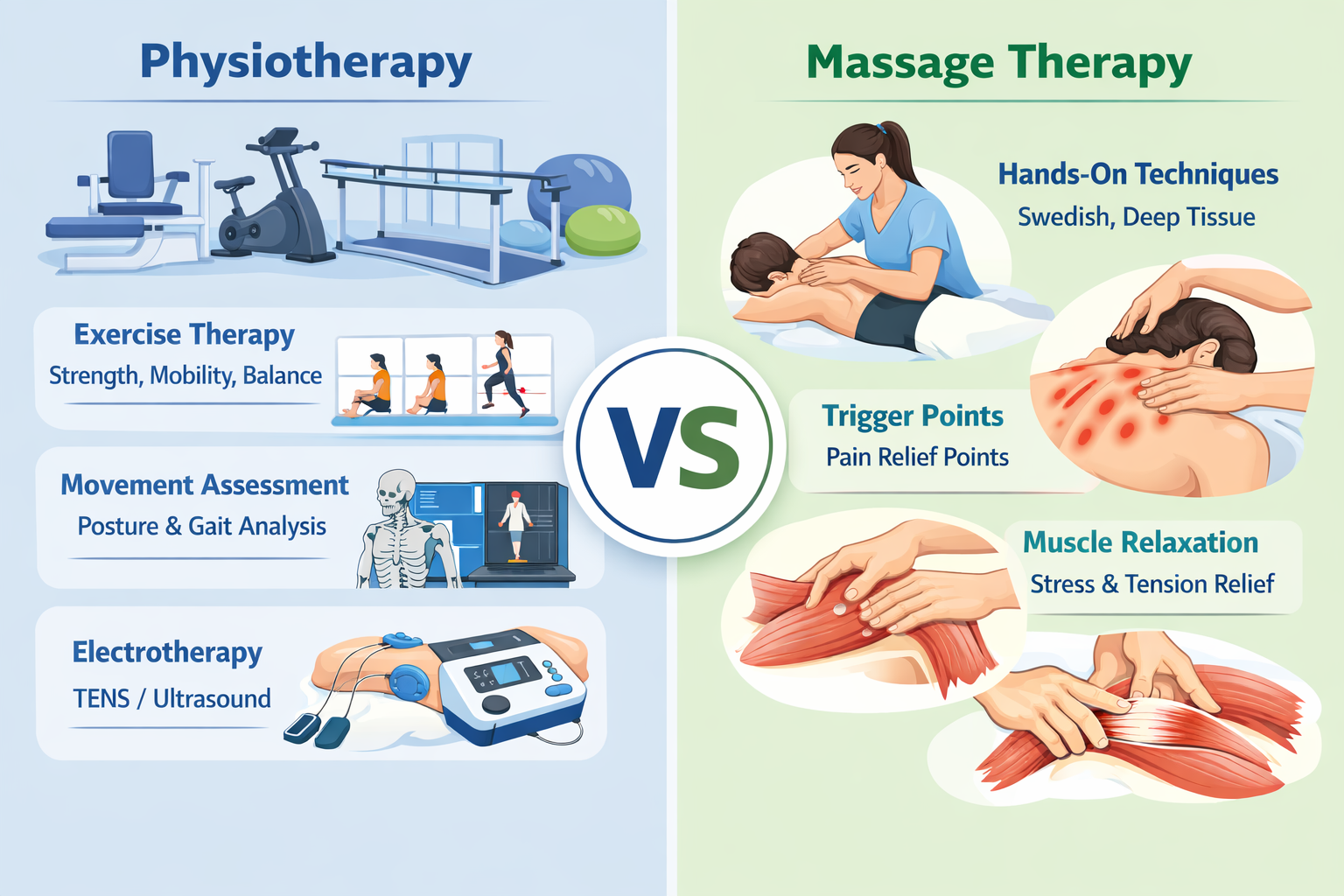
Physiotherapy operates as a medical intervention designed to restore function, improve mobility, and prevent future injuries. Licensed physiotherapists conduct comprehensive assessments, identifying movement dysfunctions and creating targeted treatment plans.
The approach involves active rehabilitation through specific exercises, manual therapy techniques, and patient education. Physiotherapists address underlying biomechanical issues that contribute to pain and dysfunction.
Key physiotherapy components include:
- Movement analysis and postural correction
- Therapeutic exercises and strength training
- Manual therapy and joint mobilization
- Pain management through evidence-based techniques
- Injury prevention education and lifestyle modifications
The Role of Deep Tissue Massage in Healing
Deep tissue massage therapy focuses primarily on muscle tension release and improved circulation. This therapeutic approach targets deeper muscle layers and connective tissue to address chronic tension patterns.
Unlike physiotherapy’s functional focus, massage emphasizes relaxation, stress reduction, and muscular relief. The treatment promotes healing through increased blood flow and lymphatic drainage.
Deep tissue massage benefits encompass:
- Chronic muscle tension relief
- Improved circulation and reduced inflammation
- Stress hormone reduction and relaxation response
- Enhanced flexibility and range of motion
- Pain relief through endorphin release
Treatment Facts: When Each Approach Works Best for Injury Support Therapy
Conditions Where Physiotherapy Takes Priority
Acute injuries requiring immediate medical attention benefit most from physiotherapy intervention. These situations demand professional assessment and structured rehabilitation protocols.
Physiotherapy becomes essential for post-surgical recovery, neurological conditions, and complex musculoskeletal disorders. The approach addresses functional limitations that impact daily activities and long-term mobility.
Physiotherapy-first conditions include:
- Recent sports injuries with joint involvement
- Post-operative rehabilitation requirements
- Chronic pain with movement dysfunction
- Neurological conditions affecting motor control
- Work-related repetitive strain injuries
For office workers experiencing chronic pain, physiotherapy often provides the foundation for addressing underlying postural issues and movement patterns.
Scenarios Where Massage Therapy Excels
Chronic muscle tension without significant functional impairment responds exceptionally well to massage therapy. This approach proves particularly effective for stress-related muscular issues and general wellness maintenance.
Massage therapy shines in preventive care, helping maintain muscle health and preventing minor issues from developing into serious injuries. The treatment supports overall wellness and stress management.
Massage-optimal situations involve:
- Chronic muscle tension without joint involvement
- Stress-related muscular tightness and headaches
- Athletic recovery and performance maintenance
- General wellness and preventive care
- Circulation improvement and lymphatic drainage
Athletes seeking recovery support often find massage therapy invaluable for maintaining peak performance and preventing overuse injuries.
The Science Behind Muscle Rehab: Combining Both Approaches for Optimal Pain Resolution
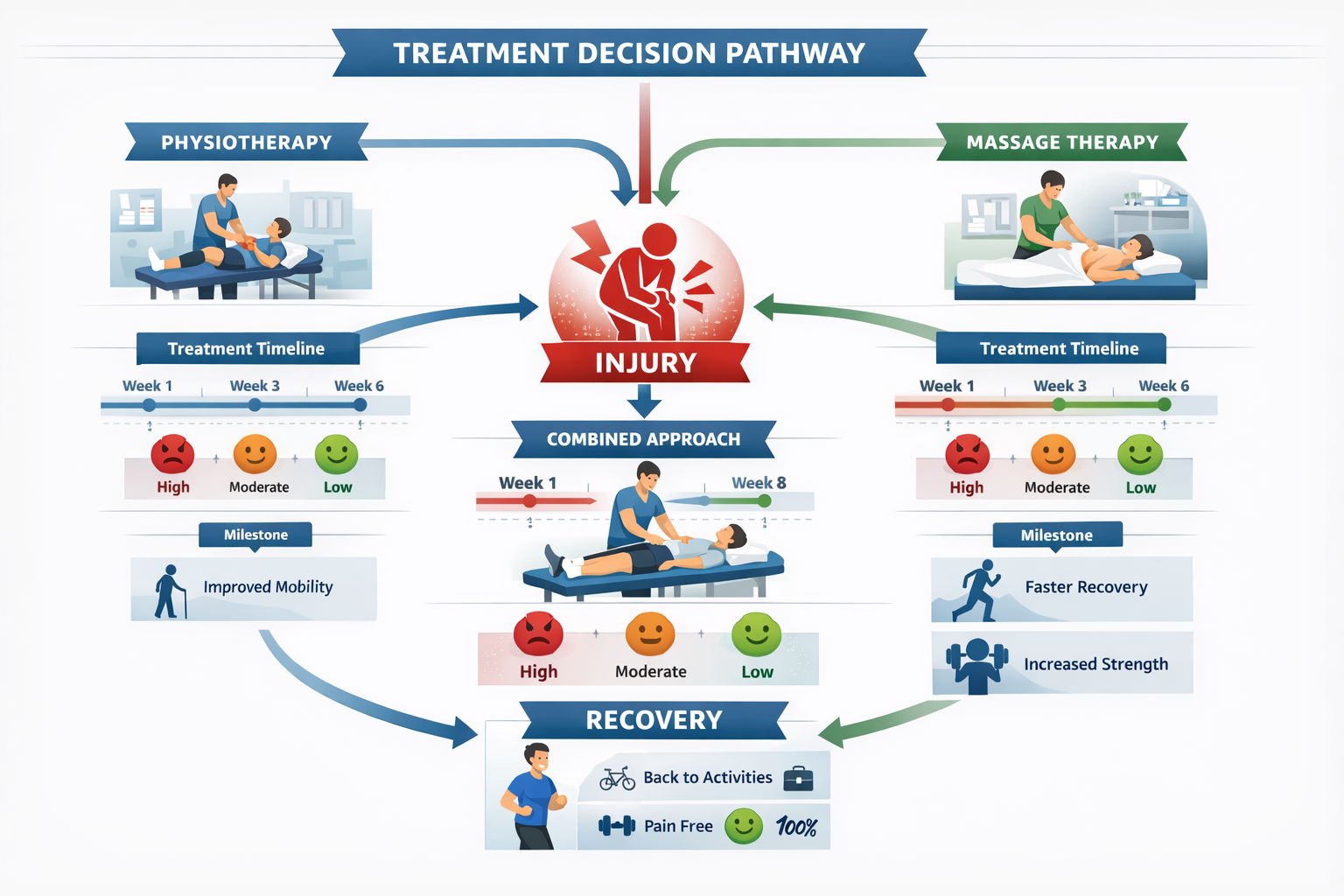
Why Integration Matters More Than Competition
Modern rehabilitation science increasingly supports integrated treatment approaches rather than either-or decisions. Research demonstrates that combining physiotherapy and massage therapy often produces superior outcomes compared to single-modality treatments.
The synergistic effect occurs because each approach addresses different aspects of the healing process. Physiotherapy tackles functional restoration while massage supports the muscular and circulatory components of recovery.
Evidence-Based Treatment Protocols
Clinical studies consistently show improved outcomes when patients receive both physiotherapy and massage therapy in coordinated treatment plans. This approach addresses multiple healing mechanisms simultaneously.
The integration allows for comprehensive care that targets structural issues, muscular tension, and overall wellness. Patients experience faster recovery times and reduced risk of re-injury.
Integrated benefits include:
- Accelerated healing through multiple therapeutic mechanisms
- Comprehensive pain management addressing various pain sources
- Improved patient compliance through varied treatment experiences
- Enhanced long-term outcomes and injury prevention
- Better overall wellness and quality of life improvements
At Alaya Spa’s tranquil sanctuary in Crosspoint Mall, the premium spa experience combines traditional Tibetan healing wisdom with modern therapeutic understanding, creating personalized treatments that complement medical care.
Creating Your Optimal Treatment Plan
Professional assessment remains crucial for determining the most effective treatment combination for your specific needs. Healthcare providers can evaluate your condition and recommend appropriate intervention timing and intensity.
The key lies in understanding that physiotherapy and massage serve complementary rather than competing roles in your wellness journey. Each contributes unique benefits that support comprehensive healing and long-term health maintenance.
Treatment planning considerations:
- Injury severity and chronicity assessment
- Functional limitation evaluation
- Pain pattern analysis and trigger identification
- Lifestyle factors and stress level assessment
- Personal preferences and treatment accessibility
For those seeking specialized back pain relief, combining professional physiotherapy with therapeutic massage often provides the most comprehensive approach to lasting recovery.
Making the Right Choice: Practical Guidelines for Gurgaon Residents
When to Start with Physiotherapy
Immediate physiotherapy consultation becomes necessary when experiencing acute pain, significant functional limitations, or symptoms that worsen with activity. These situations require professional medical assessment and structured intervention.
Don’t delay physiotherapy if you’re experiencing numbness, tingling, or severe pain that interferes with sleep or daily activities. Early intervention often prevents minor issues from becoming chronic problems.
When Massage Therapy Provides the Answer
Therapeutic massage offers an excellent starting point for general muscle tension, stress-related pain, and wellness maintenance. This approach works particularly well for busy professionals managing daily stress and muscular fatigue.
Consider massage therapy when dealing with tension headaches, general muscle stiffness, or when seeking preventive care to maintain optimal muscle health and circulation.
The best massage options in Gurgaon provide authentic therapeutic experiences that address both physical tension and mental stress, supporting overall wellness in our fast-paced urban environment.
Building Your Support Network
Professional guidance helps navigate the treatment landscape effectively. Establish relationships with qualified physiotherapists and experienced massage therapists who can collaborate on your care when needed.
Consider practitioners who understand the value of integrated approaches and can communicate effectively about your progress and needs. This collaborative approach ensures you receive optimal care throughout your wellness journey.
Conclusion
The question “Can deep tissue massage replace physiotherapy?” reveals a fundamental misunderstanding of how these powerful healing modalities work. Rather than viewing physiotherapy vs massage as competing options, the treatment facts clearly demonstrate that each serves unique and valuable roles in comprehensive injury support therapy and effective pain resolution.
Physiotherapy excels in functional rehabilitation, movement correction, and structured recovery from acute injuries or complex conditions. Massage therapy shines in muscle tension relief, stress management, and wellness maintenance, particularly through approaches like the authentic Tibetan-inspired treatments available at Alaya Spa.
The most effective muscle rehab and lasting pain resolution often emerges from thoughtfully integrated treatment approaches that leverage the strengths of both modalities. Your healing journey deserves the comprehensive support that comes from understanding when each treatment serves you best.
Take action today by assessing your specific needs and consulting with qualified professionals who can guide you toward optimal treatment choices. Whether you begin with physiotherapy for functional restoration or embrace the therapeutic benefits of professional deep tissue massage, remember that your wellness journey is unique—and the best outcomes often come from treatments that work together rather than in isolation.
Your path to lasting relief and optimal wellness awaits. Choose wisely, seek professional guidance, and embrace the healing power of integrated care that addresses your whole person, not just your symptoms.